Empowering the Next Generation of Global Leaders
Selecting an educational foundation is a profound investment in a child’s future potential. In a world that values adaptability and specialized skills, parents seek environments that offer more than standard instruction. A high-quality learning atmosphere nurtures intellectual curiosity and prepares young learners for global opportunities.
Many families are now turning toward Private Schools Malaysia to ensure their children receive a competitive edge in their academic journey. These institutions are renowned for their rigorous standards and holistic development programs. By focusing on individual strengths, they help every learner reach their highest potential.
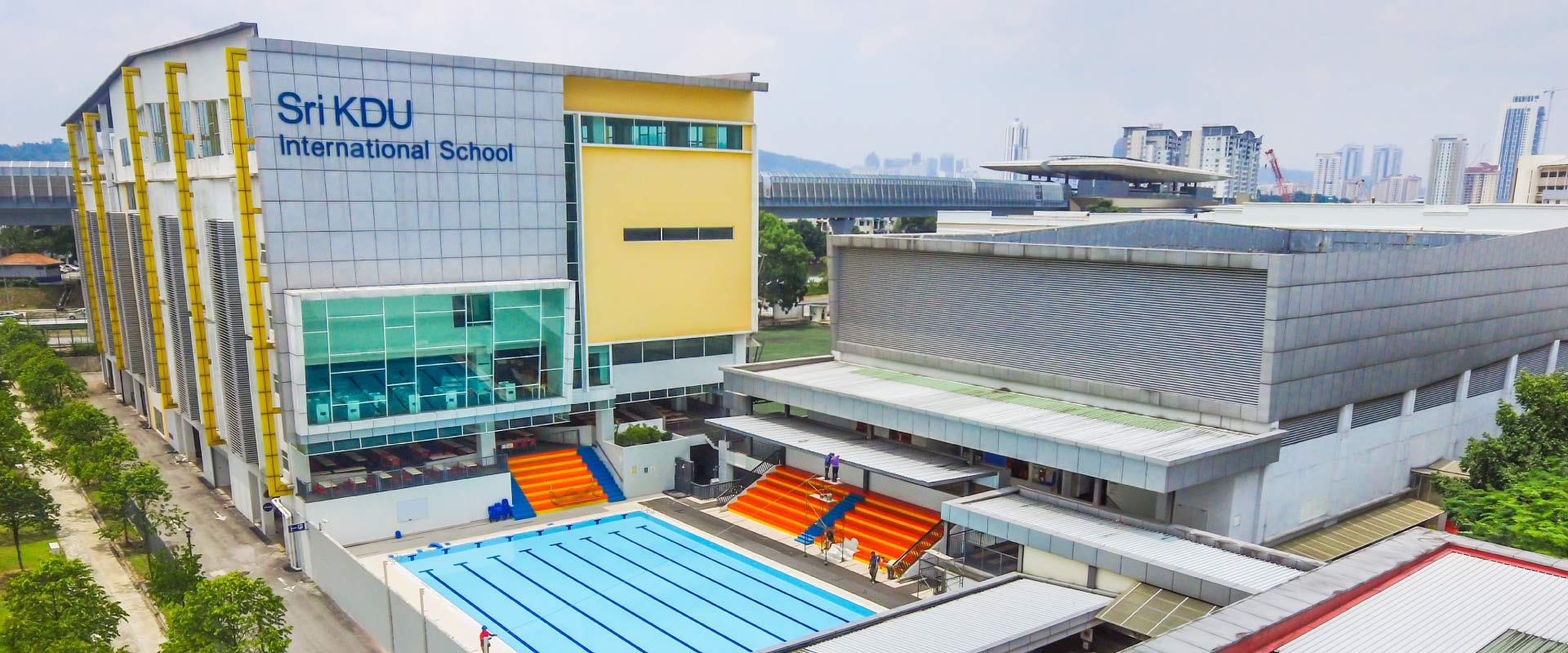
Modern educational facilities provide an inspiring backdrop for both intellectual and personal growth. From high-tech science laboratories to expansive creative arts studios, the resources available are designed to spark innovation. This immersive approach ensures that children are not just pupils, but active creators.
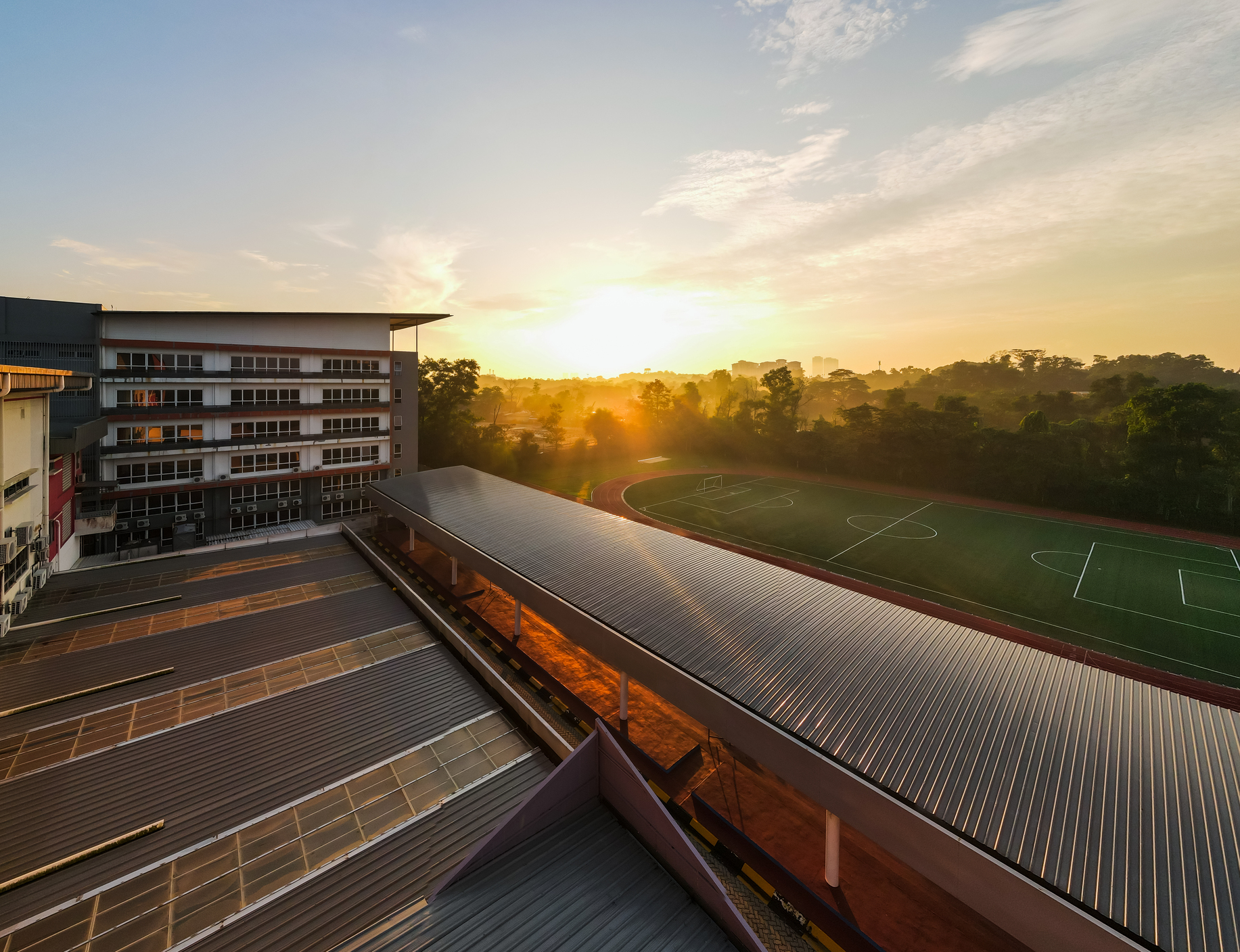
Beyond the traditional classroom, a well-rounded curriculum emphasizes the importance of physical health and emotional intelligence. Engaging in team sports and collaborative projects helps children build the social skills necessary for adulthood. These experiences foster a sense of community and shared purpose.
Every student deserves an environment where their unique talents are recognized and nurtured by expert educators. Personalized mentorship ensures that no child is left behind, allowing them to progress at a pace that builds genuine confidence. This care is a cornerstone of premium education.
Character building is integrated into every aspect of the daily routine, teaching values such as integrity, respect, and perseverance. These soft skills are increasingly valued in the modern workforce and are essential for navigating life. Schools that prioritize ethics create well-adjusted, responsible citizens.
A global perspective is also a key feature of high-caliber schooling, preparing children for an interconnected future. Exposure to diverse cultures and international curricula broadens horizons and encourages empathy. This prepares young minds to lead and collaborate on a truly international stage.
Families seeking the best for their children often look for top private schools in Malaysia to provide a clear pathway to higher education. These schools maintain strong links with prestigious universities, ensuring a smooth transition into professional life and a world of opportunity.
Investing in a high-quality education provides a sense of security and a head start in a fast-paced world. It is about giving your child the tools they need to build a meaningful and prosperous life. Discover the difference a premium education can make for your family at https://realschools.edu.my/.